Can You Get an STD From a Sex Toy? Risks, Cleaning, and Safer Use
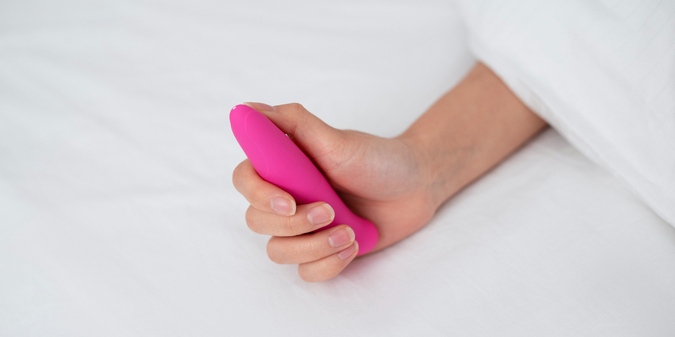
|
Sex toys can be a healthy and enjoyable part of intimate relationships, but they can also raise an important sexual health question: can you get an STD from a sex toy? The answer is yes, depending on how the toy is used and whether it is properly cleaned between partners or between different areas of the body. Some sexually transmitted infections can be passed through sexual fluids, genital skin contact, or contaminated surfaces. A toy that comes into contact with an infected area and is then used by another person may create an opportunity for transmission. That does not mean sex toys are inherently unsafe. With sensible hygiene, condoms or other barriers, and good communication, the risk can be reduced considerably. Understanding how infections spread is especially helpful for anyone living with herpes, HPV, HIV, or another STD. An STD diagnosis does not mean you have to give up intimacy or pleasure. Instead, it means learning how to make informed choices that protect you and your partners. Can You Get an STD From a Sex Toy?Yes, some STDs can potentially be transmitted through shared sex toys. The level of risk depends on the infection, the type of toy, whether bodily fluids or infected skin contacted the toy, and whether the toy was cleaned before another person used it. Sharing a toy without cleaning it can transfer infectious material from one person to another. The same concern applies when a toy is moved directly from one part of the body to another without cleaning or changing a barrier. Herpes and HPV deserve particular attention because transmission can involve skin to skin contact rather than only sexual fluids. Other infections may be associated with sexual fluids and mucous membrane exposure. HIV transmission through a sex toy is much less straightforward and depends on specific circumstances involving infected blood or sexual fluids and vulnerable tissue. If you have concerns about a particular exposure, a healthcare professional can help determine whether testing or additional precautions are appropriate. Which STDs Can Be Associated With Shared Sex Toys?Different infections behave differently, so there is no single risk level for every STD. Herpes can spread through contact with infected skin or mucous membranes, including areas that may not have obvious symptoms. HPV can also spread through intimate skin contact. Bacterial infections such as gonorrhea and chlamydia may potentially be transferred when sexual fluids remain on a toy and the toy is then used by another person. Syphilis can be transmitted through direct contact with an infectious sore, making contact with affected skin an important consideration. HIV is not efficiently transmitted through casual contact or ordinary surfaces, but exposure involving fresh infected blood or certain sexual fluids and damaged tissue requires medical consideration. Because each infection has different transmission patterns, it is better to think about safer sex practices broadly rather than assuming that one cleaning method eliminates every possible risk. Why Cleaning Sex Toys MattersCleaning sex toys is one of the simplest ways to make intimate activities safer. Follow the manufacturer's instructions because materials and designs differ. Some toys can be washed with mild soap and warm water, while others may require a specific cleaning method. Pay attention to seams, textured surfaces, openings, and other areas where bodily fluids can remain. Toys that are not waterproof should never be submerged. Allow a toy to dry completely when the manufacturer's instructions recommend air drying, and store it somewhere clean and dry. Avoid using harsh household chemicals unless the manufacturer specifically says they are appropriate, because they may damage the material or irritate sensitive skin. Cleaning is particularly important when a toy is shared. However, cleaning should not be treated as the only layer of protection. Depending on the infection and activity, barriers and avoiding shared use may provide additional protection. Use Condoms on Shared Sex ToysUsing a new condom over a sex toy can be a practical way to reduce the chance of transferring infectious material. This can be especially useful when a toy is shared between partners or when it will be used on different areas of the body. Change the condom before the toy is used by another person or moved from one body area to another. A new barrier should be used each time rather than washing and reusing the same condom. This approach can also make cleanup easier. People sometimes feel awkward discussing condoms on sex toys with a partner, but a simple conversation about hygiene can be part of healthy intimacy. You can frame it as a mutual safety choice rather than an accusation. Protecting each other's health is a sign of respect, not a reason for embarrassment. Do Not Move a Toy From the Anus to the Vagina Without Cleaning ItSex toy hygiene is not only about STDs. Moving a toy directly from the anus to the vagina can transfer bacteria and potentially contribute to infections. The safest approach is to clean the toy thoroughly according to its instructions or use a new condom before switching areas. The same principle applies when moving a toy between partners. A toy should not automatically be considered clean simply because it looks clean. Microscopic material can remain on a surface even when nothing is visible. Taking a few extra minutes for cleaning or changing a barrier can make intimate experiences more comfortable and reduce unnecessary health concerns. What If You Have Herpes, HPV, or Another STD?Living with an STD does not mean you need to stop using sex toys. It does mean that you should understand your particular infection and discuss safer practices with your healthcare provider. If you have herpes, avoid sexual contact with affected areas during an outbreak and follow your clinician's advice about reducing transmission. For HPV, remember that transmission can occur through intimate skin contact, so barriers may reduce but cannot necessarily eliminate risk. If you have another diagnosed infection, follow your treatment plan and ask when sexual activity can safely resume. You may also want to read Herpes Test: What You Need to Know for additional information about testing and sexual health. For emotional support after diagnosis, Love After Disclosure: How to Rebuild Confidence in the Dating World offers another perspective on rebuilding confidence and navigating relationships. Safer Sex Toy Habits for PartnersA few practical habits can make a meaningful difference. Clean toys before and after use according to the manufacturer's instructions. Use a new condom on a shared toy when appropriate. Do not share toys during an active outbreak or when there are unexplained sores, lesions, or other symptoms. Avoid transferring a toy from the anus to the vagina without cleaning or changing the barrier. Do not share toys if the material cannot be cleaned effectively and safely. Keep personal toys separate from other people's belongings when hygiene is uncertain. Most importantly, communicate openly with partners about testing, diagnoses, symptoms, and protection. Honest conversations can feel uncomfortable at first, especially after an STD diagnosis, but they can help create trust and reduce unnecessary anxiety. When Should You Consider STD Testing?If you believe you may have been exposed to an STD through a shared sex toy, do not panic. A possible exposure does not automatically mean you have an infection. However, testing may be appropriate depending on the infection involved, the type of contact, whether bodily fluids were present, and your medical history. A healthcare professional can explain which tests make sense and when they should be performed. Testing is also important when you develop symptoms such as sores, unusual discharge, burning, pain, or other genital changes. Some STDs can cause few or no noticeable symptoms, so feeling fine does not always rule out an infection. Getting accurate information can replace fear with a practical plan for protecting your health and your relationships. Sexual Health Includes Confidence and CommunicationFor someone recently diagnosed with an STD, concerns about intimacy can feel overwhelming. Questions about sex toys may bring up larger fears about dating, disclosure, rejection, and whether future relationships will still feel normal. They can. Sexual health is not about achieving perfect protection or eliminating every uncertainty. It is about understanding risks, making thoughtful choices, communicating honestly, and getting medical advice when needed. If you are navigating relationships while living with an STD, PositiveSingles provides a community where people can connect with others who understand these challenges. You can explore STD Dating Tips and additional educational resources at your own pace. If you are considering joining, the Referral Code PS96 60% Off for New Users may also be useful. Take a Practical Approach to Safer IntimacySo, can you get an STD from a sex toy? In some circumstances, yes, particularly when toys are shared without cleaning or barrier protection and come into contact with infected skin or sexual fluids. But the possibility of transmission does not make sex toys off limits. Cleaning them properly, using condoms or other barriers when appropriate, avoiding use during active symptoms, and communicating openly with partners can all help reduce risk. If you are worried about a specific exposure, talk with a healthcare professional rather than relying on assumptions or internet rumors. An STD diagnosis can change how you approach intimacy, but it does not take away your ability to experience pleasure, closeness, trust, or love. Knowledge and communication are two of the most useful tools you have for creating a safer and more confident sex life. |