6 STIs That Can Be Silent: Symptoms You May Miss
|
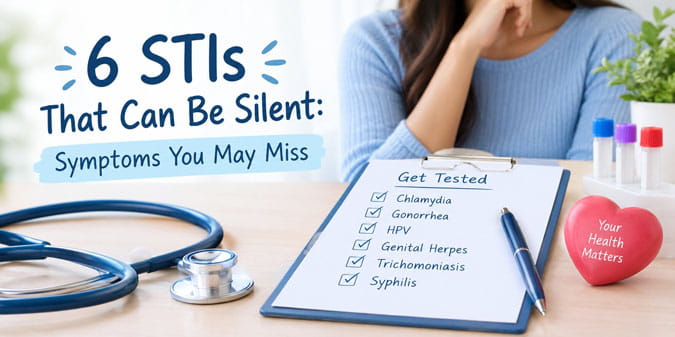
Sexually transmitted infections (STIs) do not always come with obvious warning signs. In fact, a person can have an STI and feel completely healthy. This is one reason regular sexual health testing is so important. According to the CDC, more than 2.2 million cases of chlamydia, gonorrhea, and syphilis were reported in the United States in 2024. While that number was lower than in 2023, STIs remain a major public health concern. Here are six STIs that can be silent or cause symptoms that are easy to overlook. 1. ChlamydiaChlamydia is one of the most common bacterial STIs. It can affect the cervix, urethra, rectum, and other areas depending on the type of sexual contact involved. One of the biggest challenges with chlamydia is that it often causes no symptoms. When symptoms do occur, they may include unusual discharge, burning during urination, pelvic pain, pain during sex, or bleeding between periods. Because symptoms can be mild or absent, testing can be the only way to know whether an infection is present. Untreated chlamydia can cause serious reproductive health problems, including pelvic inflammatory disease and fertility complications. The CDC reported approximately 1.52 million chlamydia cases in 2024, making it the most commonly reported nationally notifiable STI in the United States. 2. GonorrheaGonorrhea is another bacterial STI that can be difficult to notice. Some people develop symptoms such as burning while urinating, genital discharge, pelvic discomfort, or testicular pain. Others have no noticeable symptoms at all. Gonorrhea can also infect the throat or rectum, where symptoms may be especially easy to miss. The CDC reported 543,409 gonorrhea cases in the United States in 2024. Although reported cases decreased from the previous year, gonorrhea remains widespread. Testing is particularly important when someone has a new sexual partner, multiple partners, or other factors that increase STI risk. 3. HPVHuman papillomavirus (HPV) is extremely common. There are many types of HPV, and most people with HPV never develop symptoms or health problems. Some types can cause genital warts, while certain high-risk types can contribute to cancers, including cervical, anal, penile, vulvar, vaginal, and some throat cancers. The CDC says that about 9 out of 10 HPV infections go away on their own within two years without causing health problems. However, some infections persist and may cause serious complications. HPV vaccination is an important prevention tool, while recommended screening can help identify certain HPV-related health problems early. 4. Genital HerpesGenital herpes is caused by herpes simplex virus (HSV). Some people experience painful blisters or sores, while others have very mild symptoms that look like razor irritation, ingrown hairs, or small skin changes. Some people never notice symptoms at all. Even without visible sores, herpes can sometimes be transmitted through viral shedding. This is why understanding herpes and discussing sexual health with partners can be helpful. For people living with herpes, resources such as PositiveSingles can provide a space focused on dating, communication, and support for people living with STIs. A herpes diagnosis does not define someone's health, personality, or ability to have a fulfilling relationship. 5. TrichomoniasisTrichomoniasis is caused by a parasite and is another STI that can be difficult to recognize. Many people have no symptoms. When symptoms appear, they may include itching or irritation around the genitals, discomfort while urinating, or unusual genital discharge. Because symptoms can overlap with other vaginal or genital conditions, guessing based on symptoms alone is not reliable. A healthcare professional can recommend the appropriate testing. Trichomoniasis is also one of the infections included in CDC estimates of common STIs in the United States. 6. SyphilisSyphilis is a bacterial STI that develops in stages. Early symptoms can include a painless sore, rash, swollen lymph nodes, fever, or fatigue. However, symptoms can disappear even though the infection remains in the body. That makes syphilis particularly important to test for when appropriate. The CDC reported 190,242 total syphilis cases in the United States in 2024, including cases across different stages of infection. Without treatment, syphilis can eventually affect the brain, nerves, eyes, heart, and other organs. Why Silent STIs MatterThe absence of symptoms does not necessarily mean everything is clear. The CDC notes that many STIs cause no symptoms or only mild symptoms, which means people may have an infection without knowing it. Regular testing can help identify infections earlier. The right testing schedule depends on factors such as age, sexual history, sexual practices, symptoms, and other individual circumstances. A healthcare professional can help determine which tests are appropriate. It is also important to remember that having an STI is a health issue, not a reason for shame. Many STIs are treatable, and some can be cured completely. Protecting Your Sexual HealthKnowing the symptoms of STIs is useful, but symptoms alone are not enough. Consider talking openly with healthcare professionals about testing, using condoms or other barrier methods, staying up to date with recommended vaccines such as HPV vaccination, and discussing sexual health with partners. If you receive a positive STI result, follow your healthcare provider's treatment recommendations and ask when it is appropriate to resume sexual activity. Most importantly, don't assume that feeling healthy means an STI is impossible. Some of the most common infections can remain quiet for a long time. Taking sexual health seriously can help you make informed decisions, protect your partners, and take better care of yourself. |