What Are Safe Sex Practices After an HPV Diagnosis?
|
Being diagnosed with HPV can bring up a lot of questions, especially around intimacy, protection, and how to keep partners safe. Many people wonder: What safe sex practices should I follow after being diagnosed with HPV? What does “safe sex after HPV” even look like? The good news is that HPV is extremely common, manageable, and often temporary. But knowing how it spreads—and how to protect a partner—is essential. This guide explains what you can and cannot do after a diagnosis, how HPV transmission works, and how to approach sex confidently and responsibly while protecting your partner and yourself.
Avoid Sexual Contact During Active SymptomsAvoiding sexual contact during active symptoms is one of the most effective ways to reduce the risk of passing HPV to a partner. When genital warts or visible lesions are present, the viral load on the skin is significantly higher. This means the virus is more active, more concentrated, and more easily transferred through even brief skin-to-skin contact. Because HPV spreads through contact rather than bodily fluids, anything that involves rubbing, touching, or friction against an infected area greatly increases transmission risk. If you currently have genital warts or any visible lesions, it is best to wait until warts are removed or treated. Treatment can involve cryotherapy, acid-based removal, topical prescriptions, or procedures performed by a healthcare provider. Even after warts are removed, the surrounding skin needs time to fully heal. Newly treated areas are sensitive, and the skin barrier may not yet be fully restored. Having sex too soon—whether vaginal, anal, or oral—can irritate the skin, slow healing, and increase the chance of transmitting HPV. Allowing the skin to fully heal is just as important as removing the wart itself. Once the skin has returned to normal and no new warts appear over several weeks or months, the viral load decreases dramatically. This reduces the highest-risk transmission window and makes intimate contact much safer for both you and your partner. It’s also important to remember that genital warts come from low-risk HPV types, not the high-risk types associated with abnormal Pap tests or cancers. Because low-risk types produce visible symptoms, the guidance to avoid sexual contact applies specifically to these situations. If your HPV type is high-risk and you do not develop genital warts, this recommendation does not apply in the same way. High-risk HPV often has no symptoms, and many people continue to have sex as normal while using protection and communicating with their partners. Even without symptoms, precautions such as condoms, dental dams, and avoiding skin-to-skin contact with affected areas can help lower the risk. But when visible lesions are present, avoiding sexual activity entirely is the most protective choice you can make. Giving your skin time to heal safeguards both you and your partner while supporting a healthier, safer return to intimacy. How long after an HPV diagnosis should you wait to have sex?There’s no universal rule for how long you should wait to have sex after being diagnosed with HPV. HPV behaves differently from person to person, and many people were carrying the virus long before the diagnosis. The question to ask yourself is: what is the safest and most responsible approach for my situation? If you have no symptoms such as genital warts, you technically can have sex at any time—if you and your partner both understand the risks. Because HPV can transmit even when symptom-free, waiting does not guarantee safety. However, if you have visible genital warts, most clinicians recommend waiting until the warts have been treated and healed. Warts contain higher viral loads, making transmission more likely. Avoiding sexual contact during active outbreaks is one of the most effective ways to lower risk. If you’ve just been diagnosed, many people take a short pause—days or weeks—to process the emotional impact, start a conversation with their partner, and understand treatment options. This pause isn’t medically required; it’s simply emotionally helpful. Some people prefer to wait until:
There is no perfect guideline, because HPV isn't a condition where a doctor can say, “In 10 days, you’re no longer contagious.” HPV doesn’t work that way. Safe sex after HPV is more about communication, protection, and the status of symptoms rather than waiting a specific amount of time. There is no medically required waiting period; it’s about making informed decisions that feel right for both you and your partner. Disclosing HPV Before Sex: Honesty, Safety, and RespectDisclosing your HPV diagnosis before having sex is one of the most important steps you can take to protect partners and maintain trust. While HPV is extremely common and usually temporary, partners deserve to know about any infection that may impact their health. The goal isn’t to scare them or turn intimacy into a medical lecture—it’s to give them the information they need to make informed decisions. Many people are surprised to learn how common HPV is and how manageable it can be, and open communication often strengthens the relationship rather than damaging it. The conversation doesn’t need to be dramatic. It can be calm, factual, and focused on what you’re doing to protect them. You can explain that HPV is the most common sexually transmitted infection, that most people contract it without knowing, and that risk-reducing steps like condoms, avoiding active symptoms, and regular checkups make a big difference. Being open shows maturity, responsibility, and genuine care for your partner’s wellbeing. It is always better to disclose before sex—whether it’s vaginal, anal, or oral—because HPV spreads through skin-to-skin contact. People typically appreciate honesty, especially when it comes to sexual health. In many cases, partners respond with understanding rather than fear. You may even discover they had HPV previously, know someone who has it, or already understand how common it is. Disclosure is also important for emotional reasons. Hiding something related to your health can create unnecessary anxiety, guilt, or fear of “being found out.” Once the conversation happens, you can move forward without that psychological weight, allowing you to enjoy intimacy with more confidence and peace of mind. If you’re worried about how someone will react, practicing what you want to say can help. You can keep it simple: explain your diagnosis, what it means, your current symptoms (if any), and the steps you’re taking to keep them safe. Framing the conversation with reassurance—such as the fact that most HPV infections clear naturally—helps your partner understand that the situation is manageable. For people who feel especially nervous about dating with HPV, some prefer meeting partners on an STD-friendly dating platform where everyone already understands sexual health challenges. These communities can reduce anxiety around disclosure and help you practice open communication in a judgment-free environment.
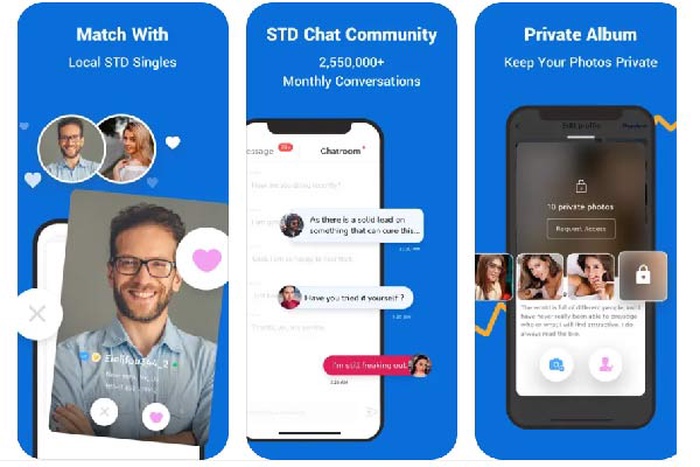
If you feel alone or nervous about dating again, you might find comfort in connecting with other singles with HPV or other STDs. PositiveSingles, the largest online STD dating support website, offers a compassionate environment with 2.6 million online STD singles. You can place a profile to meet nearby singles with HPV here! Regardless of who you’re with, disclosing before sex shows honesty, respect, and responsibility. With clear communication and mutual understanding, it’s completely possible to build healthy, safe, and fulfilling intimate relationships after an HPV diagnosis. Can you transmit HPV even if you don’t have symptoms?One of the most confusing and frustrating parts of HPV is how silently it can move from one person to another. Many people assume that without genital warts, bumps, visible irritation, or a positive test, they can’t transmit HPV. Unfortunately, HPV doesn’t behave that way. You can transmit HPV even if you don’t have symptoms, and this is one of the reasons it is the most common sexually transmitted infection worldwide. Most people who carry HPV never have symptoms at all. Some might carry the virus for months or years without any visible changes. Others may test positive during routine medical exams without having any outward signs. HPV lives in the skin, not in fluids like semen or vaginal discharge, so it spreads primarily through skin-to-skin contact—even when both people think everything looks “normal.” This means that you can pass HPV during vaginal sex, anal sex, oral sex, and even some forms of hand-genital contact. Even areas not fully covered by condoms, such as the groin, lower stomach, or upper thighs, can transfer the virus. This silent nature is not meant to scare you; it’s meant to provide clarity. HPV is common precisely because people often transmit it without knowing. Many partners share HPV unknowingly long before anyone develops symptoms or gets a test result. This is why having an open, calm conversation with a partner is important, and why using protection, even if imperfect, is still useful. Safe sex after HPV doesn’t mean avoiding sex altogether. It means understanding how transmission works so you can make informed choices. Using barriers, limiting sexual contact during active outbreaks of genital warts, and maintaining open communication with partners all reduce the risk. There are no perfect rules, but being informed is the best first step toward protecting yourself and the people you care about. Does using a condom prevent HPV transmission fully?Many people turn to condoms as their main protection, and while condoms are incredibly important, they do not offer 100% protection against HPV. This is because condoms only cover the shaft of the penis. HPV can live on surrounding skin such as the base of the penis, scrotum, vulva, groin, or anus—areas a condom does not protect. As a result, transmission can still occur even when using condoms correctly. However, condoms are still one of the best tools available. They significantly reduce—but do not eliminate—the risk of HPV transmission. Research shows that consistent condom use can lower transmission risk by around 50% or more. Even better, condoms help protect against other STIs like chlamydia, gonorrhea, HIV, and syphilis, which is important if HPV is not the only concern in a sexual relationship. Condoms also reduce the viral load—the amount of virus a partner is exposed to—because they block direct skin-to-skin contact of key areas. Even though HPV can still spread through uncovered skin, the overall risk is much lower when condoms are used consistently and correctly. If condoms have not been a consistent part of your sexual routine before, now is a good time to start using them. They show care for your partner and provide meaningful protection. And if you’re using HPV treatment for genital warts, condoms also protect sensitive areas from irritation as the skin heals. While condoms don’t prevent HPV transmission fully, they remain one of the most helpful tools for safer sex after HPV. They show intention, protect both partners, and reduce risk, even if they cannot guarantee complete prevention.
If you feel alone or nervous about dating again, you might find comfort in connecting with other singles with HPV or other STDs. PositiveSingles, the largest online STD dating support website, offers a compassionate environment with 2.6 million online STD singles. You can place a profile to meet nearby singles with HPV here! Is it safe to have oral sex if I have HPV?HPV can be transmitted through oral sex, but the risk varies depending on several factors. Oral HPV exists but is less common than genital HPV. It can spread when the mouth or throat comes in contact with infected genital skin. This means performing oral sex on a partner or receiving oral sex can carry some risk, though the likelihood differs based on the type of HPV and where it is present. If you currently have genital warts, avoiding oral sex during active outbreaks is recommended. The viral load is highest when warts are present, making transmission more likely. Once warts are treated and have healed, the risk decreases but does not reach zero. If you have no symptoms, oral sex is still possible—but should be approached with awareness. Dental dams or condoms can reduce, but not eliminate, transmission risk. These barriers prevent direct contact between the mouth and genital skin, which is how HPV spreads. Oral HPV is more strongly associated with deep kissing, oral-genital contact, and open mouth contact with infected skin. The risk is lower when using condoms or dental dams. For people concerned about giving or receiving oral sex after an HPV diagnosis, having an honest discussion with your partner goes a long way. Many couples decide to use barriers, while others choose to avoid oral sex temporarily. Others continue their usual sexual routine after discussing the risks. Oral HPV-related cancers are rare, and most oral HPV infections clear naturally. So yes, it can be safe to have oral sex, but “safe” means reducing risk, communicating clearly, and making thoughtful decisions. Can HPV be “cleared,” and what does that mean for sex?Most HPV infections clear naturally, often within one to two years. When people say HPV has been “cleared,” they usually mean the virus is no longer detectable by tests and is no longer active at the skin level. This means the immune system has suppressed the virus to the point where it cannot be transmitted. However, “cleared” doesn’t always mean gone forever. HPV can sometimes go dormant, meaning it becomes inactive but remains in the body’s cells. In many people it never returns, but in others it can reactivate later. Reactivation is uncommon but possible, especially if the immune system becomes weakened. The good news: when HPV is cleared, your transmission risk becomes extremely low—close to zero. This means many people resume sexual activity without restrictions once the virus is no longer detectable. If you’ve had genital warts treated, once they heal and no new warts appear for several months, your viral load is considered significantly lower. Most clinicians view this as a safer time to have sex. Here’s what “cleared” means for safe sex after HPV:
The most important takeaway is that HPV clearance dramatically changes your level of contagiousness. When HPV has cleared, the body's immune system has taken control, and your risk of passing the virus on is very low. ConclusionLearning you have HPV can be overwhelming, but it doesn’t mean your sex life is over. Most cases are temporary, manageable, and common. Understanding what safe sex practices should I follow after being diagnosed with HPV helps you make informed decisions that protect both you and your partner. Safe sex after HPV is not about avoiding intimacy—it’s about being aware of how HPV behaves. You can transmit HPV even without symptoms, condoms reduce but don’t eliminate risk, and avoiding sex during active symptoms like genital warts is one of the best protective steps. Oral sex carries some risk, but barriers can reduce it significantly. And once HPV clears, your risk of transmitting it becomes extremely low. Communication, protection, and awareness are the foundations of safe sex after HPV. With the right knowledge and healthy conversations, you can maintain a fulfilling, safe, and confident sex life even after a diagnosis. If you’re looking for emotional connection or want to meet other singles with HPV or other STDs, PositiveSingles, the largest online STD dating support website, offers a compassionate environment with 2.6 million online STD singles. You can place a profile to meet nearby singles with HPV here! |