Can You Get an STD From Oral Sex?
|
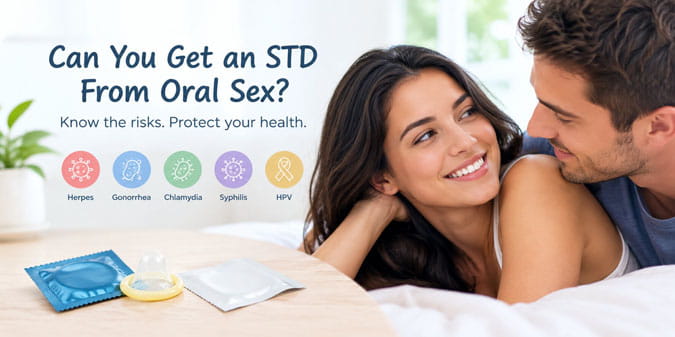
Many people think oral sex is a completely safe way to have sex. But can you get an STD from oral sex? Yes. Some sexually transmitted infections (STIs) can spread through oral sex, including herpes, gonorrhea, syphilis, chlamydia, and HPV. The good news is that there are simple ways to lower your risk. Understanding how STDs spread can help you make informed choices and take better care of your sexual health. Can You Get an STD From Oral Sex?Yes, an STD can be passed through oral sex. This can happen when the mouth or throat comes into contact with an infected penis, vagina, vulva, or anus. An infection can also move in the other direction, such as when someone with an oral infection gives oral sex to a partner. According to the CDC, oral sex can spread chlamydia, gonorrhea, syphilis, herpes, and HPV. HIV transmission through oral sex is considered little to no risk, although other STIs can still be transmitted. The type of oral sex matters, too. Giving oral sex to a penis can expose the mouth and throat to an infection. Giving oral sex to a vagina or vulva can also transmit certain infections. Oral-anal contact can spread infections such as hepatitis A and B and some intestinal infections. Which STDs Can Spread Through Oral Sex?Several common STDs can be transmitted through oral sex. Herpes: Oral herpes can spread to the genitals through oral sex. A person may also spread herpes without having an obvious sore at the time. Gonorrhea: Gonorrhea can infect the throat after oral sex. Throat infections may not cause noticeable symptoms and can sometimes be harder to treat than infections in other areas. Syphilis: Syphilis can spread through contact with sores during oral sex. Because syphilis can affect different parts of the body, testing and medical care are important after a possible exposure. HPV: Certain types of HPV can spread through oral sex. Some HPV infections in the mouth and throat can contribute to health problems, including certain cancers. Chlamydia: Chlamydia can affect the throat, although the CDC notes that the importance of throat infections is not fully understood. Oropharyngeal chlamydia can potentially be passed to genital areas. Can You Get an STD From Receiving Oral Sex?Yes. STD transmission can happen when you receive oral sex, too. For example, genital herpes can be caused by HSV-1 when a person receives oral sex from someone with oral herpes. Other infections can also be passed from an infected mouth or throat to the genitals. This is one reason why knowing your partner's sexual health status and talking openly about testing can be helpful. What Are the Symptoms?One tricky thing about STDs is that many infections do not cause symptoms. Someone can have an infection and feel completely normal. When symptoms do appear, they may include:
However, symptoms alone cannot tell you whether you have an STD. If you think you may have been exposed, talking with a healthcare professional and asking about appropriate testing is a better way to get answers. How Can You Reduce the Risk?You do not have to avoid oral sex completely to take steps toward safer sex. Using a condom or dental dam can reduce exposure during oral sex. For oral sex on a penis, a condom can provide a barrier. For oral sex on a vagina or anus, a dental dam or a condom cut lengthwise can be used as a barrier. It is also helpful to:
Remember that barriers reduce risk but may not completely prevent infections that can spread through skin-to-skin contact. What If You Are Worried After Oral Sex?Try not to panic. Having oral sex does not mean that you have an STD. If you had oral sex with a partner who has an STD, or you are worried about a possible exposure, talk with a healthcare provider. Tell them what type of sexual contact occurred so they can recommend the right type of testing. Some infections may require testing from the throat rather than only a urine or genital sample. For example, the CDC recommends that people with gonorrhea discuss oral sexual exposure with their healthcare provider because throat testing may be appropriate in some situations. PositiveSingles and Sexual Health SupportLiving with an STD can sometimes bring questions, worry, or concerns about dating. PositiveSingles provides a supportive space for people living with herpes, HIV, HPV, and other STDs. Whether you are learning more about your diagnosis or thinking about dating after an STD diagnosis, it can help to talk with people who understand what you are going through. PositiveSingles offers resources such as STD Q&A, blogs, private albums, chatrooms, and private messaging. Having an STD does not mean you cannot have a happy dating life. Learning about prevention, testing, treatment, and honest communication can help you make choices that feel right for you and your partners. TakeawaySo, can you get an STD from oral sex? Yes, certain STDs can spread through oral sex. Herpes, gonorrhea, syphilis, HPV, and chlamydia are among the infections that can be transmitted. HIV transmission through oral sex is considered extremely low, but oral sex can still carry risks for other infections. Using condoms or dental dams, getting appropriate testing, communicating with partners, and talking with a healthcare professional when you have concerns can all support safer sexual health. |