How Do I Know If My Partner Is Supportive About My HPV Diagnosis?
|
Opening up about HPV can be one of the most vulnerable moments in dating or relationships. Many people diagnosed with HPV worry about rejection, judgment, or being misunderstood. When you share your diagnosis with someone you care about, the way they react can reveal a lot about who they are and what the future of the relationship could look like. You might wonder: How do I know if my partner is supportive about my HPV diagnosis? What are signs a partner truly understands HPV? How does a supportive partner react to HPV disclosure? These concerns are normal, and recognizing the difference between a compassionate response and an uninformed or hurtful one can bring clarity and emotional relief.
A supportive partner doesn’t have to be perfect or medically knowledgeable. What matters most is their willingness to understand, their desire to stay connected, and their commitment to handling the situation without judgment. Knowing what a positive reaction to HPV looks like can help you feel more secure and confident in your relationships, whether they are new, long-term, or in transition. Understanding How Support Shows Up After DisclosureWhen you tell someone about your diagnosis, your emotional state matters just as much as theirs. You may feel anxious, scared, embarrassed, or even ashamed—feelings that many people with HPV experience. A supportive partner’s response will soothe, not worsen, those emotions. They won’t make you feel guilty, dirty, or unworthy of love. Instead, they will help ground you, reassure you, and demonstrate emotionally mature behavior that shows they care more about you than about the virus. 1. They Stay Present Instead of Pulling AwayOne of the earliest signs a partner is supportive of HPV is the ability to stay emotionally present. They don’t ghost you. They don’t cancel dates suddenly. They don’t take “time to think” as a way to disappear. Even if they need information or time to process, they remain engaged. This is one of the strongest answers to the question How does a supportive partner react to HPV disclosure? A supportive partner might ask questions, want clarification, or need a moment to reflect, but they don’t treat your disclosure as a reason to end the connection abruptly. Instead, they behave in a way that shows interest in understanding, not judging. 2. They Show Compassion and Emotional WarmthA partner who truly understands HPV is not cold or dismissive. Instead, they acknowledge your feelings and validate your vulnerability. They might say things like: “You didn’t deserve to feel scared about this.” These are signs a partner is okay with HPV. They recognize that you shared something personal and respond in a way that fosters closeness rather than distance. 3. They Ask Thoughtful, Respectful QuestionsSomeone who cares will show curiosity—not suspicion. They may ask, What are signs a partner truly understands HPV? They may ask how HPV affects your health, how transmission works, or what steps they can take for safer intimacy. Their questions reflect a desire to support you rather than interrogate you. A supportive partner won’t pry into your sexual history with judgment or try to imply blame. Instead, they focus on what matters now and how to move forward together. Their tone stays calm and understanding, not confrontational. 4. They Listen Without Interruption or BlameWhen you disclose HPV, you are sharing a part of yourself that is emotional and personal. A supportive partner listens attentively, giving you space to speak without jumping to conclusions. They don’t accuse, shame, or blame. They don’t use phrases like: “Who gave it to you?” These are red flags, not supportive partner HPV reactions. A positive reaction to HPV involves patience, empathy, and the ability to hear your story without making assumptions. 5. They Seek Information Instead of Assuming the WorstMany people react poorly to HPV because they don’t understand it. A partner who cares will take the initiative to learn. They might research reliable resources, talk to a doctor, or ask you what the healthcare provider explained. This curiosity shows a willingness to understand your experience and minimize unnecessary fear. This behavior answers the question: What are signs a partner truly understands HPV? The more they learn, the more they can offer mature, informed support. 6. They Reassure You That HPV Doesn’t Change Their Attraction to YouFear of being undesirable is common after an HPV diagnosis. A supportive partner tries to ease that fear. They make it clear that they still find you attractive, that their feelings haven’t changed, and that they don’t view HPV as a dealbreaker. Statements like: “I still want to be with you.” These are powerful signs your partner is okay with HPV. 7. They Include Themselves in the Conversation Instead of Making It All About YouA caring partner sees HPV as something to navigate together, not alone. They use “we” instead of “you.” They ask how both of you can move forward safely and comfortably. They might say: “What can we do to make this feel easier?” This collaborative mindset shows emotional maturity and genuine care. 8. They Are Patient With Physical or Emotional BoundariesSome people need time before they feel comfortable being intimate again after sharing an HPV diagnosis. A supportive partner doesn’t pressure you. Instead, they respect your boundaries, allow space for your comfort to grow, and remind you that intimacy involves more than just sex. They don’t guilt-trip or push. They don’t complain or blame your diagnosis for any delay. This is one of the clearest signs partner is supportive of HPV. 9. They Don’t Treat HPV Like a Moral IssueHPV is a health condition, not a reflection of your worth. A supportive partner understands this. They don’t imply that you’re reckless or irresponsible. They don’t question your values, your past, or your character. Instead, they treat HPV as a common medical issue—a virus, not a verdict. This is crucial when asking How do I know if my partner is supportive about my HPV diagnosis? A supportive person won’t judge you; an unsupportive one will. 10. They Discuss Safer Intimacy Without Panic or AvoidanceSupportive partners understand that millions of couples navigate HPV safely. They are open to discussing protection, vaccination, timing, monitoring, and comfort levels. They don’t freak out or shut down the conversation. They simply want to be responsible together. This practical, calm attitude is one of the strongest supportive partner HPV reactions. When a Partner Is Not Supportive—What It Looks LikeSometimes, you may sense subtle red flags that indicate discomfort, judgment, or avoidance. It’s important to be aware of these behaviors so you can protect your emotional well-being. Unsupportive behaviors might include: Avoiding the topic completely These behaviors contradict everything a positive reaction to HPV looks like. If someone makes you feel ashamed, guilty, or inferior, they are not responding with the care you deserve.
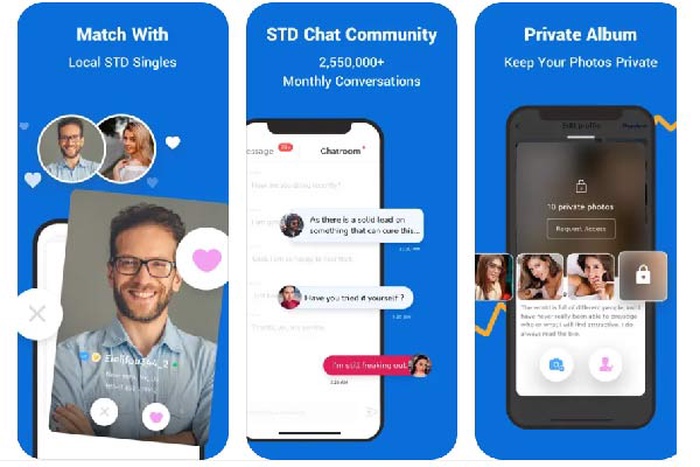
If you feel alone or nervous about dating again, you might find comfort in connecting with other singles with HPV or other STDs. PositiveSingles, the largest online STD dating support website, offers a compassionate environment with 2.6 million online STD singles. You can place a profile to meet nearby singles with HPV here! Why Support Matters More Than “Knowledge”A partner doesn’t need to know everything about HPV to respond supportively. They just need emotional intelligence, empathy, and a willingness to learn. The best partners are the ones who stay curious, kind, and grounded. Human relationships thrive on trust, communication, and mutual respect. HPV doesn’t change that. If anything, sharing your diagnosis can deepen connection by revealing how someone shows up when life becomes real. How to Tell a Partner Isn’t Judging HPVThere are small, everyday signs that show when someone has no judgment toward your diagnosis. They treat you the same as they always have. They maintain affection. They don’t avoid touch, hugs, or closeness. They don’t make negative remarks, even jokingly. They don’t withhold intimacy out of fear or disgust. Instead, they treat HPV as something manageable, proof that they view you as a whole person—not a diagnosis. The Healing Power of a Supportive PartnerFor many people, getting an HPV diagnosis can feel overwhelming and isolating. But the way someone reacts can genuinely change how you see yourself. A supportive partner can help break the stigma, ease your fears, and remind you that you are worthy of love, desire, and connection. When someone responds with kindness, patience, and curiosity, it becomes much easier to manage the emotional side of HPV. Their behavior can strengthen your confidence, make you feel safe, and help rebuild trust in relationships. Conclusion: You Deserve Someone Who Supports You FullyIf you’ve ever wondered How do I know if my partner is supportive about my HPV diagnosis? or What does a positive reaction to HPV look like?—the answer lies in how they treat you as a whole person. Supportive partners stay present, show understanding, ask respectful questions, educate themselves, and make sure you feel valued. They respect your boundaries, reassure your fears, and stand beside you through the emotional weight of disclosure. The signs partner is supportive of HPV are not loud or dramatic. They are consistent, compassionate actions that help you feel safe, wanted, and unjudged. A partner who truly cares will show you through their behavior that HPV does not define your worth or your future together. You deserve someone who loves you, not despite your diagnosis, but with acceptance and understanding of everything that makes you human. If you’re looking for emotional connection or want to meet other singles with HPV or other STDs, PositiveSingles, the largest online STD dating support website, offers a compassionate environment with 2.6 million online STD singles. You can place a profile to meet nearby singles with HPV here! |