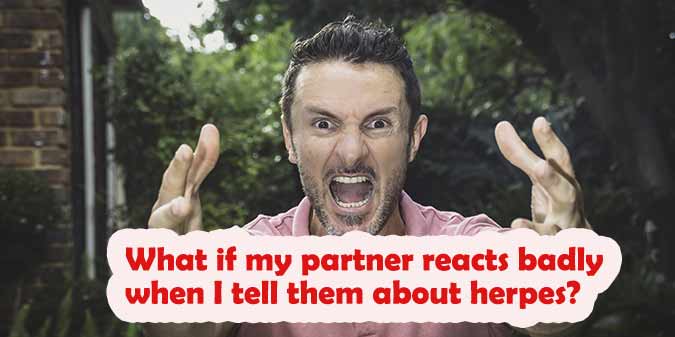
What If My Partner Reacts Badly When I Tell Them About Herpes?
|
Being in a relationship means sharing the most personal parts of your life, including the things that feel vulnerable. For people living with herpes, one of the hardest moments can be the conversation where you disclose your diagnosis to a partner. You may imagine their face, the silence that follows, or even the possibility of rejection. The fear of rejection herpes brings is real, and it can weigh on anyone’s heart. But what if my partner reacts badly when I tell them about herpes? What if my partner rejects me after I tell them I have herpes? These questions sit heavy in the minds of many who want love, intimacy, and acceptance. This article will walk through what those moments might look like, how to prepare, what to say if someone rejects you for herpes, and how to heal if you are rejected because of herpes. Along the way, you’ll see that while rejection hurts, it does not define your worth or your future in relationships. The Weight of DisclosureTelling someone you have herpes isn’t just about sharing medical facts. It’s about trusting them with a part of your identity, a detail that carries stigma. The fear of rejection herpes stirs up often feels worse than the virus itself. You might rehearse your words dozens of times: *What if my partner rejects me after I tell them I have herpes? What should I do if someone rejects me for having herpes?* It’s normal to anticipate different reactions. Some partners might surprise you with empathy, wanting to understand and stand beside you. Others may struggle, not because of you, but because of misinformation or their own fears. And sometimes, yes, a partner may react badly, even harshly. This possibility doesn’t mean you shouldn’t disclose. It means you prepare yourself emotionally, educate yourself and your partner, and remember that honesty is both an act of self-respect and love. Why Some People React BadlyWhen someone reacts negatively, it often has less to do with you and more to do with stigma or misunderstanding. Their response is not proof that you are unworthy of love. Instead, it reflects how society has shaped their ideas about herpes and sexual health. 1. Misinformation 2. Fear of infection 3. Shock and surprise 4. Social stigma 5. Past experiences So if you’ve ever wondered, "What if my partner reacts badly when I tell them about herpes" remember this: their reaction isn’t a judgment of your worth. It’s a reflection of their fears, their knowledge (or lack of it), and the stigma they’ve absorbed. What to Say if Someone Rejects You for HerpesRejection stings. There’s no sugarcoating that. But if it happens, preparing your words in advance can help you remain calm and preserve your dignity. The worst thing you can do is beg for their acceptance or apologize for existing. Instead, you can choose words that honor yourself and remind both of you that herpes does not define your value. You might say:
Beyond these, you can also use statements that put the situation in perspective:
Sometimes, it also helps to acknowledge the emotions involved. You can say, “I know this is a lot to process, and I’m not angry with you if you need space. But I also know I deserve to be with someone who doesn’t let stigma define their feelings for me.” These responses shift the power dynamic. Instead of focusing on *why you were rejected because of herpes*, you affirm that rejection says more about their readiness than your worth. How to Handle Being Rejected Because of HerpesBeing rejected because of herpes can hurt deeply. It feels personal, even though it’s really about ignorance and fear. Here are a few steps to help you recover:
When you ask, *What should I do if someone rejects me for having herpes?* the answer is simple: grieve, learn, and move forward knowing someone else will respond differently. How can I Build Confidence After a Bad ReactionRebuilding confidence after rejection is not instant—it’s a process. The first step is to remind yourself that rejection does not erase your value. Many people who live with herpes go on to form deeply fulfilling and committed relationships. A single “no” does not define your chances for love. Educate yourself: The more you understand herpes, the less power stigma has over you. Knowing facts about transmission, treatments, and how common herpes truly is will help you speak with certainty and ease in future conversations. Practice disclosure: Confidence grows with practice. Rehearse with a trusted friend, a support group, or even in front of a mirror. By saying the words out loud, you begin to own your story instead of fearing it. Focus on strengths: Write down your qualities—kindness, humor, loyalty, creativity, resilience. Seeing these on paper reminds you that herpes is only one detail in a much bigger picture. Redefine success: A bad reaction isn’t failure—it’s filtering. Each person who walks away makes space for the right one to stay. Rejection may hurt, but it also clarifies who is ready for the kind of honesty, maturity, and compassion that you deserve. Confidence after rejection isn’t about pretending it never hurt. It’s about walking forward with the quiet assurance that you are still whole, still worthy, and still capable of love. One of the best ways to reduce fear is to date in spaces where herpes is normalized. That’s where PositiveSingles comes in. 👉 Create your free profile on PositiveSingles and meet supportive singles near you. Turning Rejection Into GrowthRejection can either break you or build you. Choosing growth means asking: *What have I learned about myself?* When a partner reacts badly, it can feel like the end of something important. Yet it can also be the start of a new understanding of yourself. Growth begins when you realize that rejection does not erase your qualities, your kindness, or your ability to love. Instead, it clarifies what kind of person is truly capable of walking beside you. Rejection teaches resilience. It forces you to look inward and recognize that your worth was never dependent on someone else’s acceptance. It also highlights the strength it takes to be honest, to be vulnerable, and to put your heart on the line despite the risk of pain. Turning rejection into growth also means using it as a filter. A partner who rejects you because of herpes is showing that they are not ready for the level of honesty, compassion, and maturity that a strong relationship requires. That clarity can save you time and heartache. Rather than wondering endlessly about their true feelings, you now know they weren’t the right match. So when you ask yourself, "What if my partner reacts badly when I tell them about herpes", the answer is this: you grow. You grow by standing tall in your truth, by learning that resilience is stronger than stigma, and by keeping your heart open for the person who will react with love instead of fear. Moving Forward With HopeIf you’ve faced rejection, don’t let it close your heart. Ask yourself: *What if my partner rejects me after I tell them I have herpes?* The answer is this—you keep moving forward until you find the one who doesn’t. You are not defined by a virus. You are defined by your resilience, your compassion, and your ability to keep loving despite fear. Rejection may sting, but it clears the way for acceptance. And if you want a place where rejection isn’t the starting point, try PositiveSingles- The largest online herpes dating sites. 👉 Start your journey today by creating your profile here and meet nearby singles with herpes. |