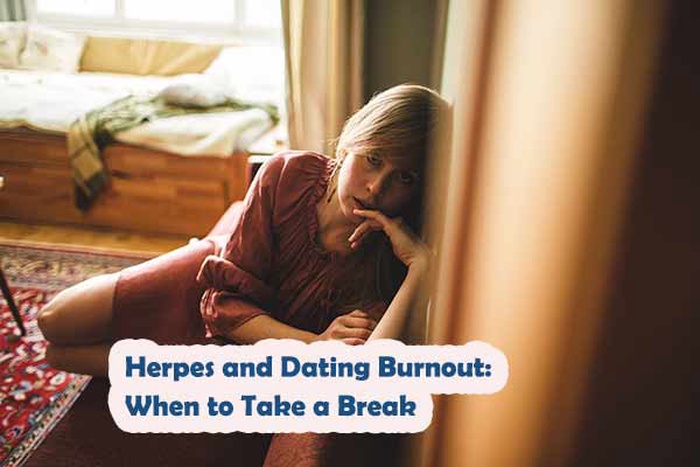
Herpes and Dating Burnout: When to Take a Break
|
Dating is emotionally demanding for almost everyone. Add herpes disclosure into the mix, and that emotional load can quietly double. Many people living with HSV describe a unique kind of exhaustion that builds over time—not just from rejection, but from anticipation, explanation, and self-monitoring. At some point, it’s natural to wonder: should I stop dating because I’m tired of disclosing herpes? This question doesn’t mean you’re weak, pessimistic, or giving up on love. It usually means you’ve been carrying more emotional labor than you realize. Dating burnout with herpes often sneaks in slowly, showing up as numbness, irritability, or a sense that dating feels like work instead of connection. You may still want intimacy, but feel drained at the thought of another conversation about your status.
This article explores what herpes dating burnout actually looks like, why it’s normal, and how to tell when a break might be the healthiest choice. We’ll also talk about what a healthy dating pause involves, whether casual dating fits into that break, and how to return to dating with renewed clarity and self-respect—without pressure or shame. What Are the Signs of Dating Burnout With Herpes?Dating burnout with herpes isn’t just about being tired of apps or bad dates. It’s a deeper emotional fatigue tied to repeated vulnerability. Many people ask themselves, what are the signs of dating burnout with herpes? The answer often shows up in subtle emotional shifts before it becomes obvious. One common sign is emotional detachment. You may notice that you no longer feel excited when someone new messages you. Conversations feel mechanical. You reply out of habit rather than interest. Even promising matches fail to trigger curiosity because part of you is already bracing for the disclosure moment. Another sign is heightened anxiety around timing. You might obsess over when to disclose, replaying imagined reactions in your head. The mental energy spent preparing for a conversation that may never happen can be exhausting on its own. Over time, this constant anticipation contributes to herpes and emotional exhaustion in dating. Irritability is another quiet indicator. Small dating inconveniences suddenly feel overwhelming. A delayed reply, a vague message, or someone canceling plans may hit harder than usual. This doesn’t mean you’re overly sensitive—it often means your emotional reserves are already depleted. Some people experience physical symptoms. Fatigue, headaches, sleep disruption, or tension before dates can all be connected to chronic stress. If dating consistently leaves you feeling drained rather than energized, that’s an important signal. A particularly telling sign is self-blame. You may catch yourself thinking, “If I didn’t have herpes, this would be easier,” or “I’m tired of explaining myself.” If you’re asking, how do I know if I’m burnt out from dating because of my herpes status, persistent negative self-talk around your diagnosis is a strong clue.
If you feel alone or nervous about dating again, you might find comfort in connecting with other singles with Herpes. PositiveSingles, the largest online Herpes dating support website, offers a compassionate environment with 2.6 million online STD singles. You can place a profile to meet nearby singles with Herpes here! Is It Normal to Feel Exhausted From Dating With Herpes?Yes—completely. Many people quietly wonder, ss it normal to feel exhausted from dating with herpes? The answer is unequivocally yes, and the reason has less to do with herpes itself and more to do with the emotional dynamics surrounding it. Dating with herpes often requires extra communication, emotional regulation, and resilience. You’re not just getting to know someone—you’re also managing uncertainty about how they’ll react to deeply personal information. That layered vulnerability creates stress, even when dates go well. What makes herpes dating fatigue especially draining is repetition. Having the same disclosure conversation multiple times, answering similar questions, or navigating stigma again and again can wear down even the most confident person. Emotional exhaustion doesn’t mean you can’t handle dating—it means you’ve been handling a lot. It’s also important to recognize that exhaustion doesn’t always come from rejection. Sometimes it comes from being accepted but still feeling tense, from educating others, or from feeling responsible for managing someone else’s comfort. All of this contributes to dating burnout with herpes, and none of it is a personal failure. When Should I Take a Break From Dating Because I Have Herpes?Deciding to pause dating isn’t about giving up—it’s about listening. Many people reach a point where they ask, should I stop dating because I’m tired of disclosing herpes? The better question may be whether continuing to date right now is costing more than it gives. One sign it’s time for a break is when dating consistently lowers your mood. If you feel worse after dates than before, or if rejection lingers longer than it used to, your emotional system may be overloaded. Another indicator is avoidance. If you keep swiping but cancel plans, delay replies, or hope conversations fade out, that resistance is worth paying attention to. You may also notice resentment creeping in—toward dating apps, toward potential partners, or even toward yourself. When dating begins to feel like an obligation instead of a choice, burnout is likely already present. Taking a break doesn’t require hitting rock bottom. Sometimes the healthiest decision happens earlier, when you still have clarity. If you’re wondering, should I take a break from dating herpes, it’s often because a part of you already knows the answer. A dating break can also be helpful if disclosure feels overwhelming. If every interaction feels like a countdown to a stressful conversation, stepping back allows your nervous system to reset. You’re not avoiding growth—you’re creating space to recover. Why Taking a Break Can Be Healthy (Not Giving Up)Many people fear that stepping away from dating means falling behind or losing momentum. In reality, intentional breaks often prevent long-term burnout. Dating burnout with herpes doesn’t improve by pushing through exhaustion—it improves through restoration. A break gives you distance from constant evaluation. You’re no longer measuring yourself through matches, replies, or reactions. This space allows your identity to expand beyond “someone dating with herpes” back into a whole person with interests, values, and agency. Emotionally, breaks reduce hypervigilance. When you’re not anticipating disclosure, your body relaxes. Stress hormones decrease. Over time, this helps repair the emotional depletion that builds during herpes dating fatigue. Taking a break also rebuilds boundaries. Dating burnout often blurs the line between effort and over-effort. When you step back, you relearn that dating is optional, not an obligation. This mindset shift is crucial for healthier future connections. Importantly, a break reframes dating as something you choose rather than endure. When you return, you’re more likely to engage from curiosity instead of fear, and from self-respect instead of urgency. What a Healthy Dating Break Looks LikeA healthy dating break isn’t about isolation or punishment. It’s about intention. Instead of simply deleting apps in frustration, it helps to mentally define what the break is for. During a break, you may focus on reconnecting with yourself outside of dating. This might involve hobbies, friendships, therapy, or simply rest. The goal isn’t self-improvement for dating—it’s emotional replenishment. A key part of a healthy break is letting go of timelines. People often ask, how long should I take a break from dating after a herpes burnout? There’s no universal answer. Some people need weeks, others months. The right length is usually when the thought of dating no longer triggers dread or pressure. It’s also important to release guilt. You’re not wasting time or missing opportunities. You’re restoring capacity. Dating from a depleted place rarely leads to healthy outcomes, regardless of herpes status. Should You Still Date Casually or Hook Up During a Break?This question depends on your emotional state rather than strict rules. Some people find casual dating during a break relieving because it removes pressure. Others find it draining because it still requires disclosure and emotional negotiation. If casual interactions feel genuinely light and consensual, they may not interfere with recovery. However, if they reopen stress around herpes disclosure or leave you feeling emptier afterward, they may prolong burnout. A useful question to ask yourself is whether the interaction restores or depletes you. A break is meant to reduce herpes and emotional exhaustion in dating, not disguise it. There’s no moral obligation to date or not date during a break. What matters is whether your choices align with rest, clarity, and self-compassion. How to Come Back to Dating After Herpes BurnoutReturning to dating after burnout isn’t about forcing optimism—it’s about adjusting your approach. Many people find that when they return slowly, with clearer boundaries, dating feels different. One helpful shift is redefining success. Instead of measuring outcomes by acceptance or rejection, success becomes honesty, pacing, and self-respect. Disclosure becomes a filter, not a verdict.
If you feel alone or nervous about dating again, you might find comfort in connecting with other singles with Herpes. PositiveSingles, the largest online Herpes dating support website, offers a compassionate environment with 2.6 million online STD singles. You can place a profile to meet nearby singles with Herpes here! This is also where a herpes dating site can be useful. Dating within a space where disclosure is normalized often reduces emotional labor and allows you to re-enter dating without constant explanation. For some people, this dramatically lowers anxiety and helps rebuild confidence. When you return, it’s okay to date less frequently, communicate more selectively, and prioritize emotional safety over momentum. Burnout teaches you what doesn’t work—use that information. Most importantly, remember that herpes dating fatigue doesn’t mean you’re bad at dating. It means you’ve been brave repeatedly. Coming back with gentleness is not regression—it’s growth. ConclusionDating burnout with herpes is real, common, and deeply human. Feeling exhausted doesn’t mean you’re broken or unlovable—it means you’ve been carrying emotional weight for a long time. Taking a break isn’t quitting; it’s listening. When you honor your limits, you protect your capacity for connection. Whether your break lasts weeks or months, what matters is returning to dating from a place of steadiness rather than depletion. You deserve relationships that meet you with respect—and that starts with respecting yourself. If you’re looking for emotional connection or want to meet other singles with Herpes, PositiveSingles, the largest online Herpes dating support website, offers a compassionate environment with 2.6 million online STD singles. You can place a profile to meet nearby singles with Herpes here! |